
The European Mega-projects Driving Economic Change
Europe is a continent in constant motion, and at the heart of its evolution are ambitious infrastructure projects designed to reshape its economic landscape.
These megaprojects, spanning vast distances and requiring immense investment, are set to restructure transportation, trade, and connectivity across the continent.
Europe’s ambitious plan to revolutionise its transport network through EU co-funded transport mega-projects, known as “Transport Flagship Infrastructures” (TFIs), projects, each exceeding €1 billion, are not just about building roads and railways; they’re about constructing a more connected, sustainable, and prosperous future for Europe.
A Unified and Efficient Network by 2030
Since 2013, the European Union has been working towards a core transport network, aiming for completion by 2030. This initiative, guided by the TEN-T Regulation, focuses on projects with a cross-border dimension, vital for seamlessly connecting the continent. The goal? To reduce commuting times, enhance sustainability, and attract top talent by creating a more efficient and integrated transport system.
What is the TEN-T Regulation?
TEN-T is an EU policy creating a unified, efficient transport network (rail, water, road) by 2050. It aims for economic growth, sustainability, and safety through high-speed rail, unified signalling (ERTMS), improved terminal connections, and eco-friendly urban mobility.
Several colossal projects are currently underway, each promising to deliver significant economic benefits
1. Fehmarnbelt Fixed Link
Connecting Denmark and Germany via an 18-kilometer immersed tunnel, this project will drastically reduce travel times and boost trade between Scandinavia and mainland Europe. This link will promote increased flow of goods and people, creating new business opportunities and driving regional economic growth.
2. Rail Baltica
Connecting the Baltic states (Estonia, Latvia, and Lithuania) to the European rail network, this project will integrate the region into the wider European economy. This project is a very important part of the increase of economic and social integration of the baltic states into the rest of the European Union.
3. Basque Y & French Connection
This high-speed rail initiative will establish a vital connection between Vitoria-Gasteiz in Spain and Bordeaux in France, dramatically reducing travel times for both passengers and freight. Situated along the Atlantic corridor, it aims to streamline cross-border trade and enhance regional economic integration by providing a faster, more efficient rail alternative.

4. Brenner Base Tunnel
The 64km Alpine railway tunnel between Austria and Italy will drastically cut transit times, boosting freight and passenger capacity. This high-speed link will enhance regional competitiveness and economic integration.
5. Seine-Scheldt Link
Originally conceived as a direct inland waterway link between the Seine and Scheldt rivers, this project has evolved into a broader network encompassing rivers and canals in France and Belgium. This expansion will significantly boost inland waterway transport capacity, facilitating the movement of goods and reducing reliance on road transport across the North Sea-Mediterranean and Atlantic corridors.
6. A1 Motorway in Romania
As a key component of the Rhine-Danube corridor, the A1 motorway project in Romania is designed to improve road infrastructure, connecting major cities and facilitating smoother, faster transportation. Its development aims to enhance regional connectivity, foster economic growth, and streamline trade within the region and across Europe.
7. E59 Railway in Poland
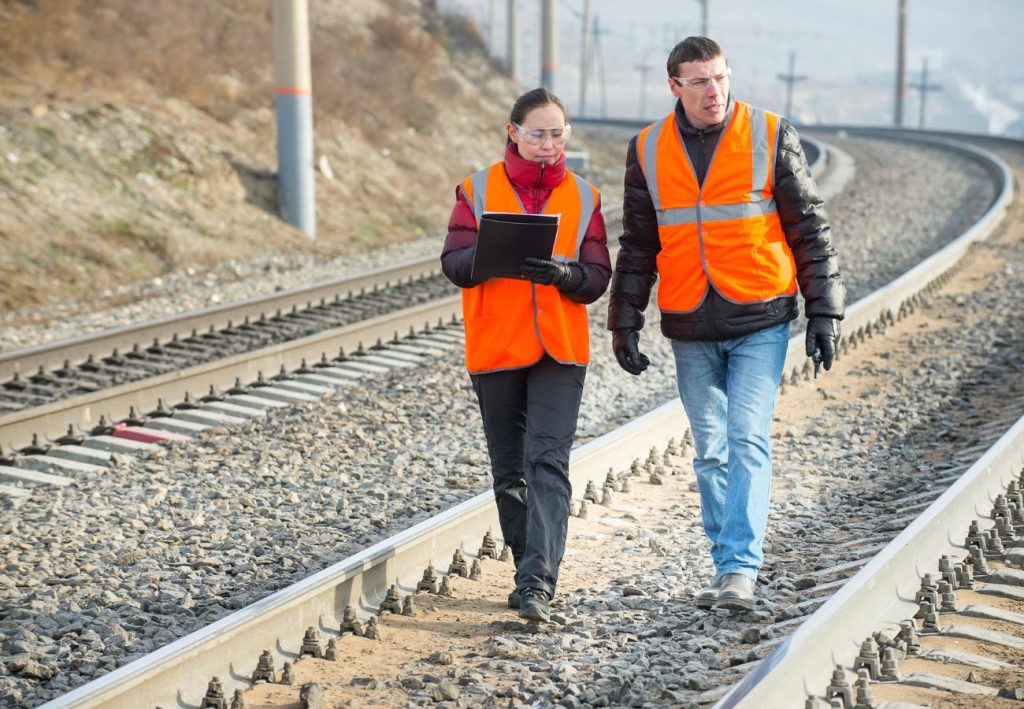
The modernisation of the E59 railway line in Poland, coupled with improved connections to the ports of Szczecin and Swinoujscie, is crucial for the Baltic-Adriatic corridor. This project aims to enhance freight transport capacity, improve rail efficiency, and boost the competitiveness of these key Baltic ports, facilitating trade and economic development in the region.
Smaller National Projects
While these megaprojects dominate headlines, numerous smaller national infrastructure projects across Europe are also contributing to economic growth. These projects enhance local connectivity, improve urban mobility, and support regional development.
The Economic and Social Impact of these Mega-Projects
These TFIs are more than just concrete and steel; they’re catalysts for significant socio-economic benefits. A well-connected Europe means:
- Reduced Commuting Times: Streamlined transport networks cut down travel times, improving quality of life and productivity.
- Job Opportunities: Large-scale infrastructure projects create numerous jobs in construction, engineering, and related sectors, boosting local and regional economies.
- Sustainability: Investments in rail and inland waterways promote greener transport options, reducing carbon emissions and contributing to a more sustainable future.
- Attracting Talent: Efficient transport links make regions more attractive to businesses and skilled workers, fostering innovation and growth.
- Enhanced Trade and Connectivity: Improved infrastructure facilitates the movement of goods and services, strengthening the EU’s internal market and global competitiveness.
Opportunities in Construction and Engineering
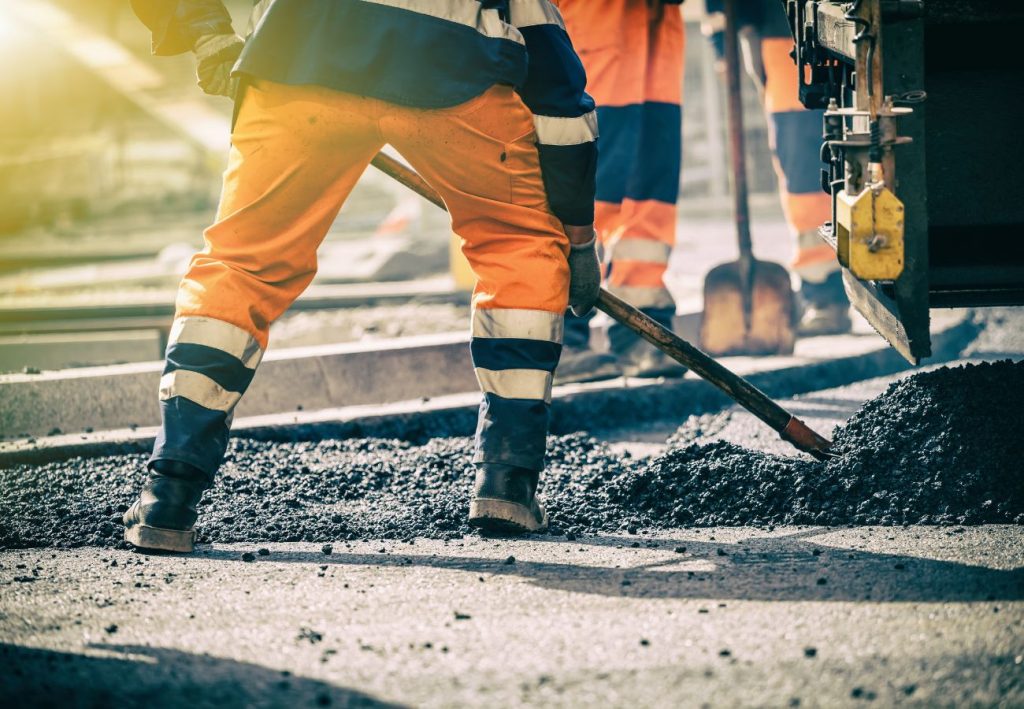
Europe’s infrastructure renaissance is fuelling a significant expansion within the construction and engineering sectors. The ambitious TEN-T projects, from the Fehmarnbelt tunnel to enhanced port facilities, are creating a substantial demand for specialised professionals across the continent. This surge will generate numerous opportunities for:
- Civil Engineers: Crucial for designing and managing the construction of essential infrastructure like bridges and tunnels.
- Structural Engineers: Ensuring the stability and safety of all built structures.
- Geotechnical Engineers: Providing expert analysis of ground conditions to support foundation design.
- Construction Managers: Overseeing project timelines, budgets, and on-site operations.
- Project Managers: Coordinating complex, large-scale projects to guarantee efficient and timely completion.
- Environmental Engineers: Implementing sustainable practices and mitigating the environmental impact of these major developments.
Looking Ahead:
The European megaprojects currently underway are set to redefine the continent’s economic landscape. By improving connectivity, fostering trade, and creating new opportunities, these projects will drive growth and prosperity for generations to come.
AA Euro Group is excited about the potential of these projects and is committed to supporting our clients in capitalising on this growth.
By leveraging our expertise in staffing and recruitment, we can help clients navigate the complexities of these large-scale projects and deliver exceptional results.