
EU Pay Transparency Directive Coming in 2026: What Employers Need to Know
The countdown is on. From June 7, 2026, the EU Pay Transparency Directive will come into effect, requiring organisations across all EU member states, regardless of their headquarters, to adopt more transparent, fair, and accountable pay practices.
For employers, this is more than just compliance. It’s a cultural shift that will impact recruitment, data management, reporting obligations, and employee engagement. Those who start preparing now will be best positioned to both meet requirements and gain a competitive edge in the talent market.
What Employers Must Do: Before & During Employment
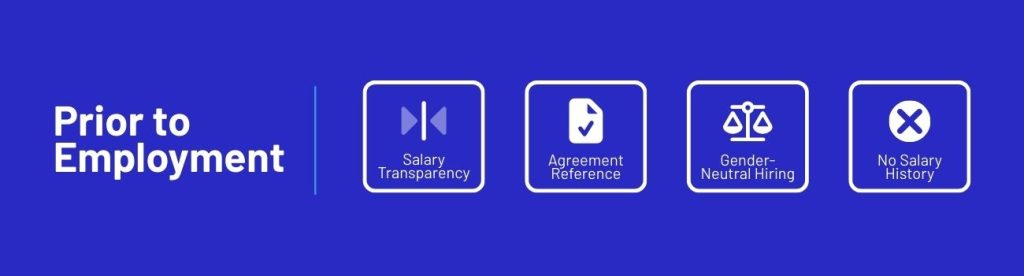
Prior to Employment
Employers will need to:
- Salary Transparency: Clearly state the starting salary range (or pay scale) in job advertisements or before interviews.
- Agreement Reference: Reference any relevant collective agreements where applicable.
- Gender Neutral Hiring: Ensure that job postings, descriptions, and recruitment processes are gender-neutral and non-discriminatory.
- No Salary History: Avoid asking applicants about their current or past salaries.
These measures ensure candidates enter the process with clarity and equality from the start.
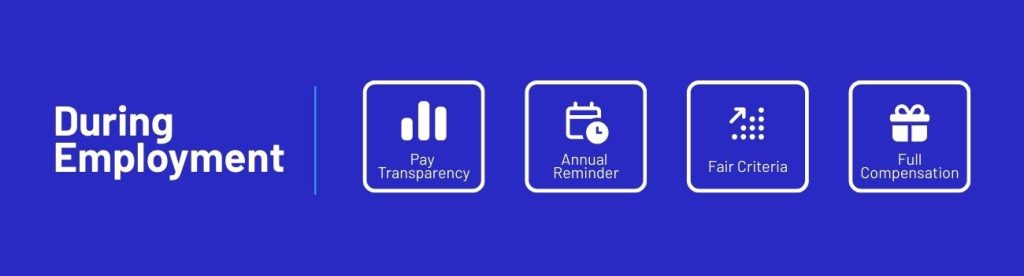
During the Employment Relationship
Once hired, employees will gain significant new rights, and employers will need to:
- Pay Transparency: Provide employees with information on their own pay and average pay levels by gender for comparable roles.
- Annual Reminder: Inform employees annually of this right and explain how to access the information.
- Fair Criteria: Make the criteria used for pay and pay progression easily accessible, ensuring they are objective and gender-neutral.
- Full Compensation: Ensure that benefits, not just salaries, are transparently communicated, as they form a critical part of total compensation.
This means employers must have accurate, well-documented policies covering pay and benefits, with clear explanations ready for employees and regulators.

Benefits Transparency: The Next Frontier
While many employers have improved communication around base pay, the Directive also highlights the importance of transparency around benefits. To prepare, organisations should:
- Conduct a comprehensive audit of benefits programmes, including legacy or unharmonised arrangements.
- Ensure that benefits align with the principle of equal pay for equal work.
- Develop clear methods for valuing and communicating benefits, whether through Total Reward Statements or flexible benefits platforms.
- Tailor communications to show employees the real-life value of benefits, not just the cost. For example, presenting life insurance as peace of mind for families, or pensions as long-term financial security.
Transparent communication of benefits is not just a compliance requirement, it’s an opportunity to strengthen employee trust, engagement, and loyalty.
Reporting & Compliance Timeline
- 250+ employees: First gender pay gap report due June 2027, annually thereafter.
- 150–249 employees: First report due June 2027, then every three years.
- 100–149 employees: First report due June 2031, then every three years.
Any unjustified pay gap of 5% or more will trigger a joint assessment with employee representatives to identify and remedy the discrepancy.
Non-compliance could lead to significant penalties, with employers bearing the burden of proof in pay discrimination claims.
Why This Matters for Employers
While the Directive introduces additional obligations, forward-thinking organisations will recognise the advantages:
- Attracting top talent: Candidates increasingly expect upfront salary and benefits information. Transparency builds trust and reduces hiring friction.
- Enhancing retention: Clear and fair pay practices improve employee engagement and loyalty.
- Strengthening employer branding: Early adopters of transparent practices will stand out as progressive and people-first.
- Driving cultural change: Transparency encourages fairness, accountability, and equity across the workforce.

Getting Ready
Achieving readiness requires collaboration across HR, legal, compensation & benefits, communications, and leadership teams. Now is the time to:
- Audit pay and benefits policies.
- Eliminate outdated or non-transparent practices.
- Establish consistent communication strategies.
- Prepare systems for reporting and disclosure.
At AA Euro Group, we see the EU Pay Transparency Directive not just as a compliance obligation, but as a chance for employers to lead with fairness and strengthen their talent strategies. By embracing transparency, organisations can build trust, stand out in the market, and secure long-term success.
We consistently recommend that our clients are upfront about salaries and benefits in job postings, as it remains one of the most important factors in attracting top talent, while also saving time in the recruitment process by avoiding mismatched expectations.
Read our latest insights: The Shift in Candidate Expectations where we break down the key trends we’ve seen shaping the market and what top talent really expects today.