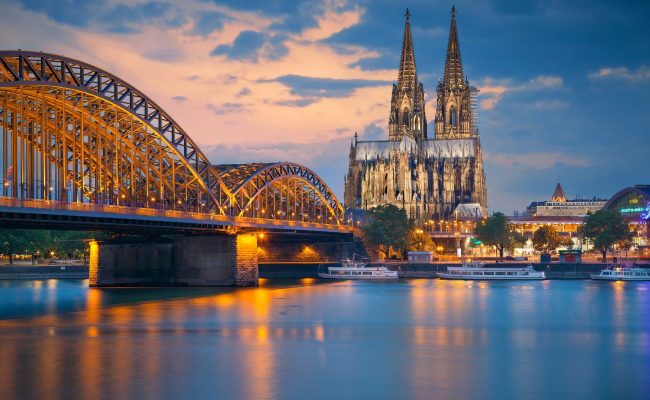
Understanding the German Employee Benefits Landscape: Long-Term Accounts, Mobility Perks, and More
Germany’s robust economy, central European location, and thriving industries offer unparalleled advantages for both business growth and individual career fulfilment. Let’s explore why Germany should be a prime consideration for your business strategy and your professional life.
Germany offers a high quality of life appealing to Europeans due to its;
- Excellent healthcare
- Efficient infrastructure (public transport and Autobahn)
- Safe and vibrant cities with rich culture
- A work culture that values work-life balance with regulated hours and generous vacation.
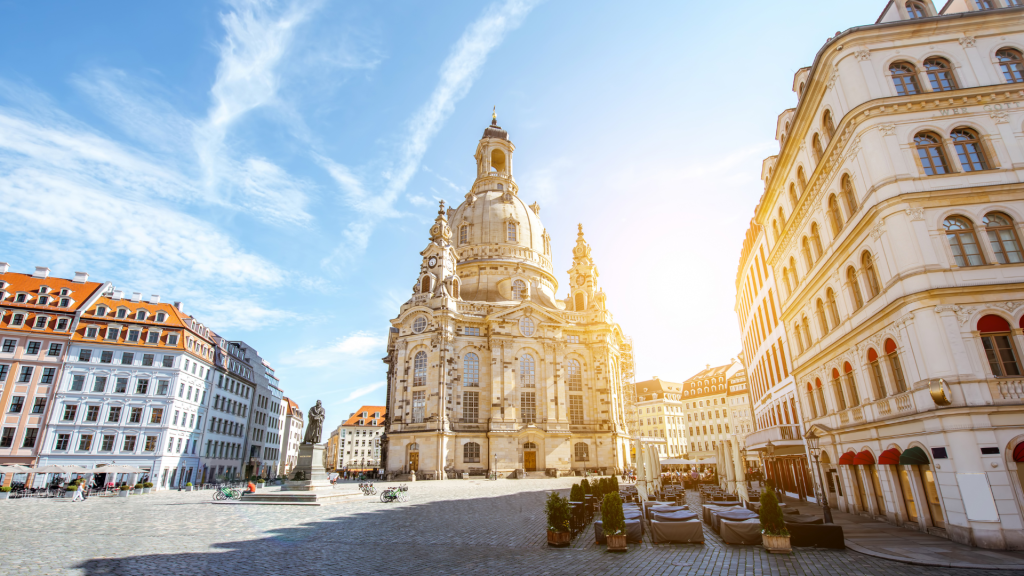
Germany’s Geographical Advantage for Europeans
For Europeans, Germany’s central location offers:
- Easy and affordable travel to neighbouring countries due to excellent connectivity
- Provides rich cultural exchange through its own culture and proximity to others
- Convenient proximity to home countries, easing the transition of relocation.
For Business Leaders, A Launchpad for European Success:
Germany’s economic powerhouse status and strategic location make it an ideal base for European business operations:
Germany offers businesses significant advantages, direct access to Europe’s largest and stable consumer market, a strategic central location with excellent infrastructure for pan-European operations and simplified logistics, a stable political and economic environment for long-term investment, the ability to attract and retain top European talent due to its high quality of life, and a thriving innovation ecosystem with strong industry clusters.

Understanding the German Employee Benefits Landscape
1. Future-Proofing Finances with Long-Term Accounts (‘Langzeitkonto’)
A distinctive feature of the German benefits system is the ‘Langzeitkonto’, or long-term account. This innovative benefit empowers employees with significant financial flexibility. T
hrough a voluntary salary sacrifice system, individuals can save a portion of their monthly earnings for future use. These accumulated funds can then be strategically utilised for purposes such as early retirement, extended parental leave, or even sabbaticals.
2. Prioritising Sustainable Commuting with Mobility Perks
In Germany, mobility benefits are highly appreciated and extend beyond the traditional company car. As industry experts have noted, benefits that alleviate travel costs are highly significant. This includes options like subsidised public transportation passes, access to company bicycles, or even electric scooters.
3. Boosting Net Income with Tax-Free Vouchers (‘Sachbezug’)
A particularly unique and popular perk in Germany is the widespread provision of tax-free vouchers, known as ‘Sachbezug’. Employers can provide these vouchers, which employees can then redeem at a vast network of retailers across the country.
4. Ensuring Fair Practices Through Workers’ Councils and Benefits Transparency
Workers’ councils (‘Betriebsrat’) play a significant role in Germany’s labor market. These employee-elected bodies have a legal mandate to negotiate benefits packages with employers on behalf of the workforce. This process ensures that benefit offerings are transparent, fair, and directly aligned with the needs of the employees.
While the establishment of a workers’ council is voluntary and typically initiated by employees or unions, they are prevalent in larger organisations, with a significant majority of companies with over 1,000 employees having one in place.
5. Building Trust Through Robust Data Security
Germany places a strong emphasis on data security, a cultural sensitivity stemming from historical experiences. Consequently, German employees expect their personal data to be handled with the utmost security, especially concerning their benefits information.
Germany’s data protection regulations are heavily influenced by the European Union’s General Data Protection Regulation (GDPR). For employers in Germany, offering competitive benefits goes hand-in-hand with delivering them through secure and compliant systems that prioritise employee privacy. Utilising platforms that adhere to these stringent privacy standards is crucial for building employee trust and ensuring a positive experience.

Taxation in Germany & What High Earners Should Know
Germany operates a progressive income tax system. The tax rate increases with taxable income. For high earners, the top income tax rate in Germany is 45% for income exceeding a certain threshold (€277,826 for individuals and €555,650 for jointly assessed couples in 2025).
While Germany doesn’t have specific “tax incentives” exclusively for high earners in the traditional sense of significant deductions beyond standard allowances, there are a few aspects to consider:
Tax Classes (Steuerklassen)
Germany has six tax classes that determine the amount of income tax withheld. Married couples or those in registered partnerships can choose between different combinations (e.g., Tax Class III/V or IV/IV) that can optimise their tax burden depending on their income levels. For instance, if one spouse earns significantly more, the higher earner might benefit from Tax Class III.
Allowances (Freibeträge)
Everyone in Germany benefits from a basic tax-free allowance (Grundfreibetrag), which is €12,096 for single individuals and €24,192 for married couples/registered partners in 2025. There are also other potential allowances for things like work-related expenses, alimony payments, and childcare costs, which can reduce taxable income for high earners as well.
Company Benefits
While not direct tax incentives, German companies often offer attractive benefits packages that can be tax-advantaged or tax-free, effectively increasing the net compensation for employees, including high earners. Examples include contributions to company pension schemes, subsidised public transport tickets (Jobticket or Deutschlandticket), or certain health and wellness benefits.
Research and Development Incentives
For high earners working in R&D, there are broader governmental incentives for research activities that could indirectly benefit them through their employment in innovative companies.
It’s important to note that Germany’s tax system is designed for social equity, and very specific, large-scale tax breaks for only the highest earners are not a prominent feature. High earners in Germany contribute significantly to the tax revenue that funds the country’s extensive social welfare system and high quality of public services.
Average Salaries in Germany:
The average gross annual salary for full-time employees in Germany is around €49,260 (as of early 2025). However, this figure can vary significantly based on several factors, including:
- Industry: Sectors like finance, IT, pharmaceuticals, and engineering tend to offer higher average salaries.
- Experience Level: As in most countries, salaries increase with professional experience.
- Location: Salaries in larger cities and economic hubs like Munich, Frankfurt, and Hamburg are often higher to reflect the higher cost of living.
- Company Size: Larger companies typically have more resources to offer higher compensation.
- Education and Skills: Higher levels of education and specialised skills often command higher salaries.
To give you a clearer picture:
- Entry-level positions: Can range from €30,000 to €45,000 gross annually, depending on the field.
- Experienced professionals: Can earn between €50,000 and €80,000 or more gross annually.
- Highly specialised roles or management positions: Can command salaries well above €80,000 gross annually.
Keep in mind that the net salary (what you take home after taxes and social security contributions) will be lower than the gross salary. Online calculators can help you estimate your net income based on your tax class and other factors.

For Mechanical & Engineering Professionals: A Hub of Innovation and Opportunity
Germany’s renowned engineering prowess and commitment to technological advancement offer a fertile ground for M&E professionals:
Leading the Way in Engineering and Manufacturing
Germany’s global leadership in automotive, mechanical engineering, industrial automation, and renewable energy provides a wealth of challenging and rewarding opportunities for M&E professionals across various specialisations.
Driving Technological Advancement and Industry 4.0
M&E professionals are at the forefront of Germany’s push towards digitalisation and automation in manufacturing, with high demand for expertise in robotics, AI, data analytics, and industrial IoT.
Contributing to Sustainable Engineering Solutions
Germany’s commitment to the “Energiewende” (energy transition) creates significant demand for M&E professionals specialising in renewable energy technologies, energy efficiency, and sustainable manufacturing practices.
High Standards of Engineering Excellence and Innovation
Germany’s reputation for quality and precision in engineering provides an environment where M&E professionals can work on cutting-edge projects and contribute to world-renowned innovations.
Strong Educational Institutions and Career Development
Germany’s robust network of universities and research institutions provides excellent educational pathways and continuous professional development opportunities for M&E professionals.
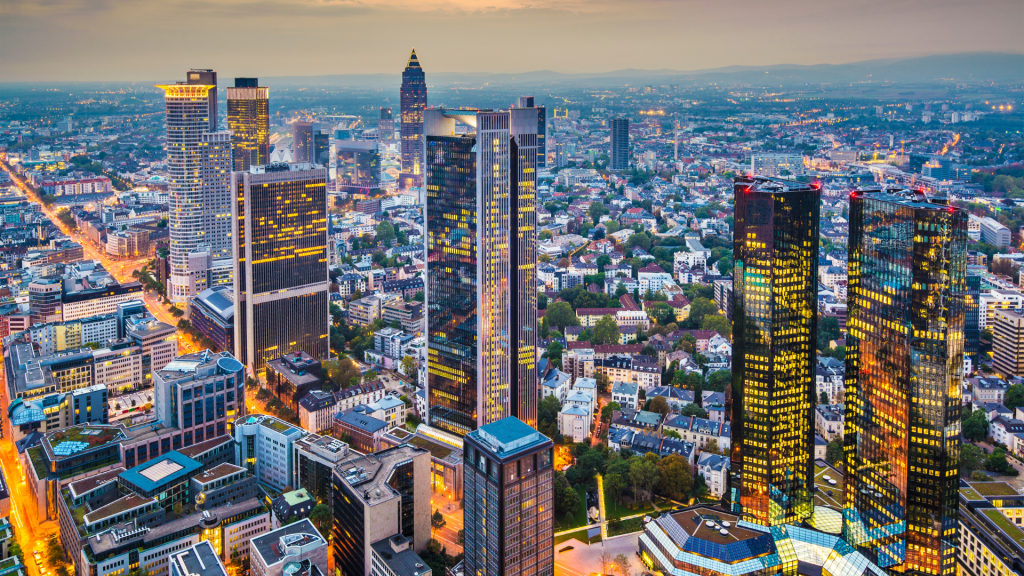
The industries growing in Germany
Data Centres
Driven by increasing digitalisation, cloud adoption, and the growing demand for AI and IoT infrastructure, Germany’s data centre market has continued to grow in all the right directions.
Valued at approximately $7.71 billion in 2024, the market is projected to reach $12.84 billion by 2030, demonstrating a robust CAGR of 8.87%. Frankfurt has solidified its position as a major European hub, hosting a significant portion of the country’s data centre capacity, with substantial new developments underway.
Notably, the market is seeing increased investment in sustainable solutions, with a focus on renewable energy sources and energy-efficient cooling technologies, aligning with Germany’s “s” goals. Projects include the expansion of existing facilities and the development of new hyper-scale data centres across key regions.
Biopharma
Germany stands as a leading global pharmaceutical hub, with substantial investment in research and development, reaching €7.4 billion in 2022. The biopharmaceutical sector is a key growth driver, with revenues reaching €19.2 billion in 2023, representing a third of the total pharmaceutical market. Oncology and immunology are high-growth segments, fueled by strong R&D pipelines.
The industry is witnessing increasing adoption of digital health technologies and AI in drug discovery and development. Major projects include the expansion of production facilities by global players like Eli Lilly and Sanofi, indicating continued confidence in Germany’s biopharma landscape. The market is projected to continue its growth trajectory, driven by an aging population, the rise of chronic diseases, and advancements in personalised medicine.
Construction
While the German construction industry faced a contraction of 5.8% in 2024 due to factors like a sluggish residential sector and high interest rates, the outlook for the coming years is positive. The market is predicted to rebound with an average annual growth rate of 2.4% between 2025 and 2028.
This growth will be supported by significant government investments in transport infrastructure and renewable energy projects, including plans to install 70GW of offshore wind power by 2045.
Projects such as the German Federal Government and Deutsche Bahn’s €49.73 billion infrastructure program to enhance the rail network highlight the commitment to infrastructure development. Furthermore, the industry is increasingly adopting digital technologies like Building Information Modelling (BIM) to improve efficiency and sustainability.
Engineering
Germany’s engineering sector, a cornerstone of its economy, is navigating a complex landscape influenced by global demand and the transition towards Industry 4.0 and sustainability. While manufacturing has faced some challenges, the engineering services market is projected to grow at a CAGR of 4.4% from 2024 to 2030, reaching a revenue of US$ 283.9 billion.
Key areas of growth include specialised engineering services, driven by the increasing demand for automation, robotics, and sustainable solutions. The “Energiewende” is also creating significant opportunities for engineers in renewable energy technologies and energy efficiency.
Projects focus on the deepening integration of digitalisation in manufacturing and the development of sustainable engineering solutions to meet Germany’s climate goals.
Partnering with AA Euro Group
With a proven track record and a deep understanding of the German market, AA Euro Group is your trusted partner for recruitment and staffing needs across data centres, construction, biopharma, and engineering.
We offer a comprehensive suite of solutions, including:
- Targeted Candidate Sourcing: Our team leverages a multi-pronged approach to identify and attract the best talent aligned with your specific requirements.
- Industry Expertise: Our recruitment consultants possess in-depth knowledge of each sector, ensuring we understand your unique needs and challenges.
- German Language Fluency: Effective communication is key. Our team’s fluency in German allows for seamless communication with both candidates and employers.
Get in touch
Schedule to meet with one of our recruiters.