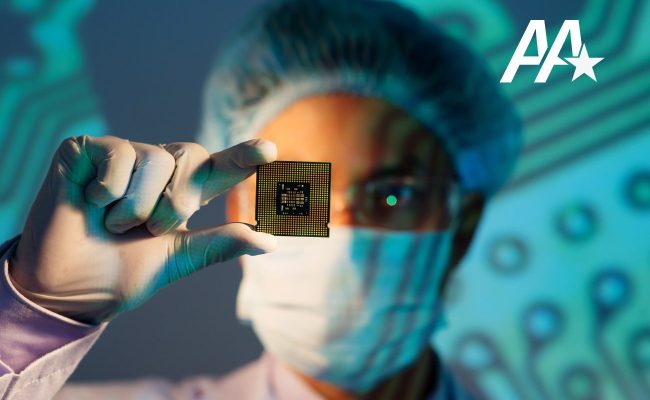
Ireland’s Semiconductor Opportunity | The Next Wave of Engineering & Construction
€17 billion. One semiconductor facility. And a glimpse of the scale of investment Ireland could attract in the years ahead.
In 2023, Intel began high-volume production at Fab 34 in Leixlip, following an investment of approximately €17 billion. The facility became the first chip fab in Europe to use EUV technology in high-volume manufacturing — a landmark project not only for Intel, but for Ireland’s position within Europe’s semiconductor industry. But perhaps the most interesting question is not what has already been built. It is what could come next.
Ireland’s semiconductor sector already comprises more than 130 companies, supports approximately 20,000 jobs and generates €13.5 billion in annual exports. The Government’s Silicon Island strategy estimates that, with the right support and investment, the sector could support up to 34,500 additional semiconductor roles by 2040.

Those figures point towards an opportunity that extends well beyond semiconductor manufacturing itself. Ireland’s semiconductor story is broader than the companies producing chips.
Companies such as Intel and Analog Devices operate significant manufacturing facilities in Ireland, the country’s wider semiconductor ecosystem encompasses research and development, chip design, advanced engineering, equipment, specialist technologies and the infrastructure required to support semiconductor production.
For Ireland, the potential is not simply about attracting companies that manufacture semiconductors. It is about continuing to develop the ecosystem around semiconductor manufacturing. And for engineering and construction companies, that could mean another significant wave of major capital projects. For companies delivering these projects, one issue will be fundamental:
Having access to the right people, in the right numbers, at the right time.
Ireland’s Semiconductor Story
Ireland’s position within the global semiconductor industry has been developing for decades, with companies such as Intel and Analog Devices establishing major operations here from the 1970s onwards. Over the past 20 years, this ecosystem has continued to mature, with Ireland developing expertise across semiconductor manufacturing, R&D, engineering, chip design, advanced manufacturing and supporting technologies.
Intel’s €17 billion Fab 34 investment in Leixlip, County Kildare, and Analog Devices’ €630 million Project FANFARE in Limerick are notable examples of continued investment, while IDA Ireland estimates that 14 of the world’s top 30 semiconductor companies by global revenue now have operations in Ireland. This is not an emerging industry; Ireland has an established semiconductor ecosystem with significant potential for further growth.

Ireland’s opportunity is bigger than semiconductor manufacturing
It is easy when discussing the semiconductor industry to focus exclusively on the companies producing chips, but a modern semiconductor ecosystem is considerably more complex. The production of semiconductors depends on a vast network of technologies, facilities, equipment, engineering expertise and specialist services.
This includes:
- Semiconductor manufacturing
- Chip design
- Research and development
- Advanced packaging and testing
- Semiconductor manufacturing equipment
- Process systems
- Cleanroom infrastructure
- Mechanical and electrical engineering
- Automation and controls
- Specialist facilities
- Utilities and infrastructure
- Installation and commissioning
- Maintenance and technical services
Ireland already has a presence across several of these areas, the opportunity now is to expand that ecosystem further. This is particularly relevant to the engineering and construction sector, every new semiconductor facility requires a significant amount of work before a single semiconductor can be produced.
A New Phase of Investment
In 2025, the Irish Government launched Silicon Island, its national semiconductor strategy, with ambitions to attract further investment across manufacturing, advanced packaging, R&D and technology. Ireland’s semiconductor sector already supports 130+ companies, 20,000 jobs and €13.5 billion in annual exports, with the potential for up to 34,500 additional roles by 2040.
Delivering this growth will require far more than investment in technology. New facilities demand significant construction, mechanical and electrical engineering, specialist installations, commissioning and ongoing maintenance — creating opportunities across the wider engineering and construction sector.

Where the Opportunity Lies — and How to Prepare
For engineering and construction firms, the opportunity is not simply in winning the next major project — it is being ready to deliver it. As investment accelerates across semiconductors, data centres, pharmaceuticals, energy and infrastructure, contractors that can mobilise quickly, scale efficiently and access skilled trades when demand peaks will be best positioned to capitalise. In a competitive market, preparing your workforce strategy early could be the difference between securing the work and being ready to deliver it.
Ireland will need more than 22,300 additional engineers over the next decade, while 79% of employers already report shortages of experienced engineers. Engineers Ireland
The Wider Opportunity
Semiconductor investment is just one part of a much broader pipeline of major projects in Ireland, spanning data centres, pharmaceutical and life sciences, advanced manufacturing, energy, waste-to-energy and infrastructure. For international engineering and construction companies, this represents significant potential for growth — but also increasing competition for skilled workers.
The challenge is often not finding projects, but having access to the right people at the right time. Project requirements can change rapidly, with different trades needed at different stages. Contractors therefore need the flexibility to scale their workforce as projects progress.
What Does This Mean for Companies Considering Ireland?
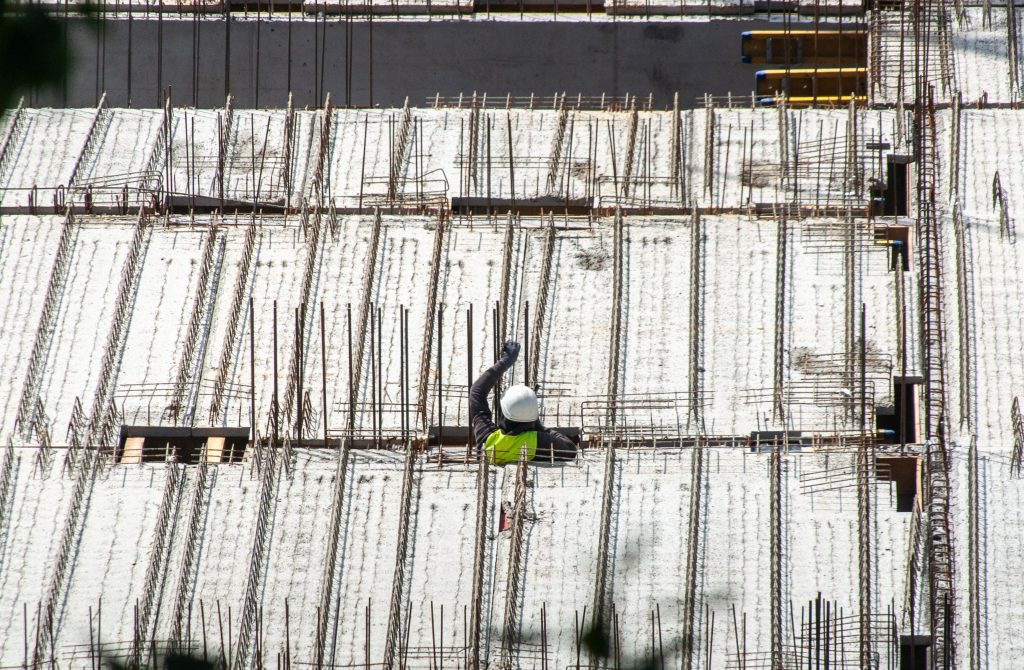
For semiconductor companies considering investment or expansion in Ireland, workforce planning needs to start early. Building or expanding a semiconductor facility requires specialist engineering, construction and skilled trades — from civil and structural works to mechanical and electrical installation, cleanrooms and commissioning. Access to the right skills can directly influence project timelines, costs and delivery.
For companies planning semiconductor investment in Ireland, understanding the local labour market and securing reliable workforce support early can provide a significant advantage.
Supporting major projects across Ireland and Europe
At AA Euro Group, we work with engineering and construction companies delivering major projects across Ireland and Europe.
Our focus is on providing access to skilled trades and labour to support companies working across demanding project environments.
These include major projects across sectors such as data centres, pharmaceutical and life sciences, waste-to-energy, advanced manufacturing, infrastructure and other large-scale engineering and construction environments.
As Ireland’s construction and engineering landscape continues to evolve, we believe workforce planning will become an increasingly important part of project strategy.
For companies entering the Irish market, expanding their existing operations or managing multiple major projects, having a workforce partner that can help respond to changing labour requirements can provide valuable flexibility

Partner with AA Euro Group
If your company is looking to hire experienced professionals or skilled trades and labour workers within the semiconductor, construction, engineering, or M&E industries, AA Euro Group is ready to support you.
With recruitment operations across Europe and the UK, offices in 11 countries, and a deep, established talent pool, we can help you find the right people to drive your projects forward. Get in touch with our team to discuss your hiring needs.
Get in touch
Schedule to meet with one of our recruiters.