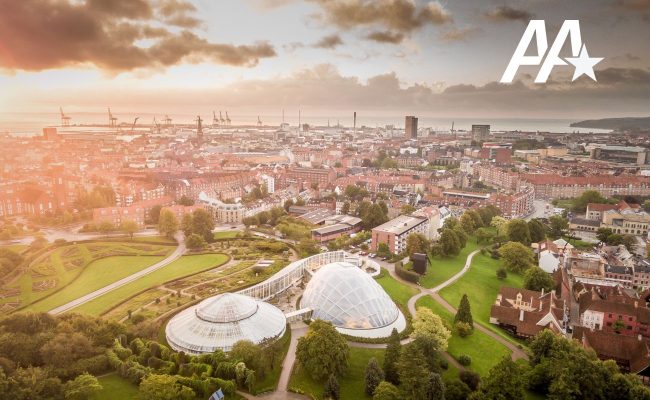
Why Denmark Is One of the Best Places for Living and Working in Europe
Denmark has become one of Europe’s most attractive destinations for professionals seeking both career growth and a high quality of life.
With a strong economy, world-leading infrastructure projects and a culture that prioritises work-life balance, the country continues to attract skilled international workers across engineering, construction, renewable energy and technology sectors.
Denmark frequently ranks #1 globally for work-life balance in OECD comparisons, with only about 2% of workers regularly working very long hours-compared with an OECD average of around 11%, while the typical working week is approximately 37 hours and employees usually receive five weeks of paid vacation. When it comes to living and working in Europe, Denmark is most certainly a location that should be considered.
Living and Working in Denmark – A Better Work–Life Balance
One of the biggest reasons construction workers choose Denmark is the country’s strong focus on work–life balance. Unlike many construction markets where workers may spend long periods away from home, Denmark offers stable employment within a country known for its excellent quality of life.
Strong labour protections
Denmark has some of the strictest labour laws in Europe, ensuring fair treatment, collective bargaining, and protection against unfair dismissal. Around 70% of the workforce is covered by collective agreements, which standardise wages, working hours, and benefits across sectors, including construction.
Safe and regulated construction sites
Occupational safety is tightly regulated by the Danish Working Environment Authority, and construction sites must comply with mandatory safety training and risk assessments. Denmark reports one of the lowest workplace fatality rates in Europe, at around 1.5 deaths per 100,000 workers.
Competitive wages
Average hourly wages for construction workers in Denmark range from €25-€35, depending on experience and trade, making it one of the most competitive markets in Europe.
Reasonable working hours
The standard working week is 37 hours, with overtime strictly regulated. Danish law requires employers to provide adequate rest periods, minimum 11 hours daily rest, and a 5-day minimum annual holiday of 25 days, ensuring workers have time to rest and recover.
A strong emphasis on worker wellbeing
Denmark encourages workplace health programs and mental health support. The Danish Working Environment Act also promotes measures to reduce stress and physically demanding work for construction and trade workers.
Denmark’s collaborative workplace culture ensures tradespeople and site teams work closely together to deliver complex projects efficiently and safely. English is widely spoken across construction sites and workplaces, making it easier for international workers to integrate quickly and feel part of the team.
Exploring Denmark on Your Days Off
One of the biggest advantages of living and working in Denmark is the country’s exceptional quality of life beyond the workplace.
Families can enjoy Tivoli Gardens in Copenhagen, Den Gamle By in Aarhus, or Odense’s Hans Christian Andersen Museum and Zoo, while beaches and national parks offer endless outdoor adventures.
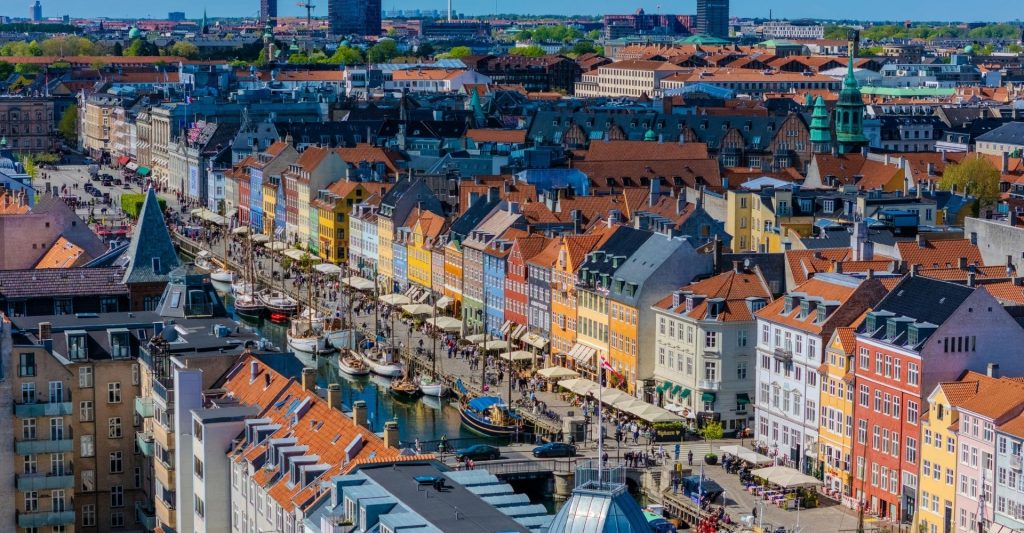
Individuals and couples can explore Nyhavn Harbour, vibrant cultural scenes in Aarhus and Odense, or historic sites like Kronborg Castle. Denmark’s extensive cycling paths, hiking trails, and waterways make it easy to enjoy nature and stay active.
With a mix of cultural attractions, outdoor activities, and a strong focus on leisure, Denmark makes it easy to relax, explore, and enjoy life outside work—a key reason why so many choose living and working in Denmark.
The Fehmarnbelt Tunnel – Opportunities for Trades and Professionals
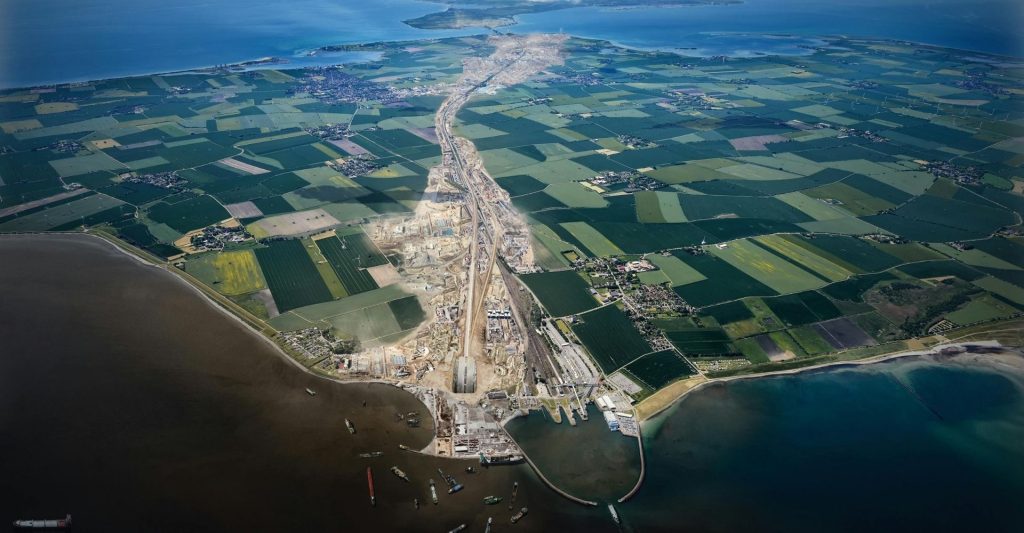
One of the most ambitious infrastructure projects in Northern Europe is the Fehmarnbelt Fixed Link. This massive project will construct an 18-kilometre immersed road and rail tunnel beneath the Baltic Sea, connecting Rødbyhavn in Denmark with Puttgarden in Germany.
The Fehmarnbelt project requires thousands of skilled tradespeople and engineering professionals, including:
For Trades and Skilled Labour:
- Concrete specialists
- Steel fixers and reinforcement workers
- Heavy equipment operators
- Marine construction crews
- Formwork carpenters
- Pipe layers and utilities specialists
For Professionals and Engineers:
- Civil, structural, and marine engineers
- Project managers and site supervisors
- Health, safety, and environmental specialists
- Surveyors and geotechnical engineers
- The project involves installing 79 massive concrete tunnel elements, each weighing approximately 73,000 tonnes, requiring precise coordination between trades and professional teams. Completion is scheduled around 2029, offering long-term, high-quality employment opportunities for anyone in the construction and engineering sector.
This is a prime example of how Denmark allows skilled workers and professionals to work on world-class infrastructure projects in Europe, without needing to relocate overseas.
Check out our latest roles working on the Fehmarnbelt Tunnel
Opportunities for Marine and Heavy Civil Construction Workers
Traditionally, highly skilled workers in marine civil construction, heavy infrastructure, and tunnelling often had to travel overseas to secure major projects. Many took assignments in the Middle East or Asia to gain experience on large-scale developments.
Today, Denmark offers major infrastructure projects on home soil, giving skilled tradespeople and professionals the chance to work on technically complex projects while enjoying European work standards.
Benefits include:
- Stable, long-term project employment
- Competitive wages and benefits
- European safety and labour regulations
- Predictable work schedules and strong work–life balance
Whether you are a marine construction worker, civil engineer, or heavy equipment operator, projects like the Fehmarnbelt Tunnel provide career-defining opportunities within Denmark and Europe.
Renewable Energy Construction
A Growing Demand for Trades and Professionals
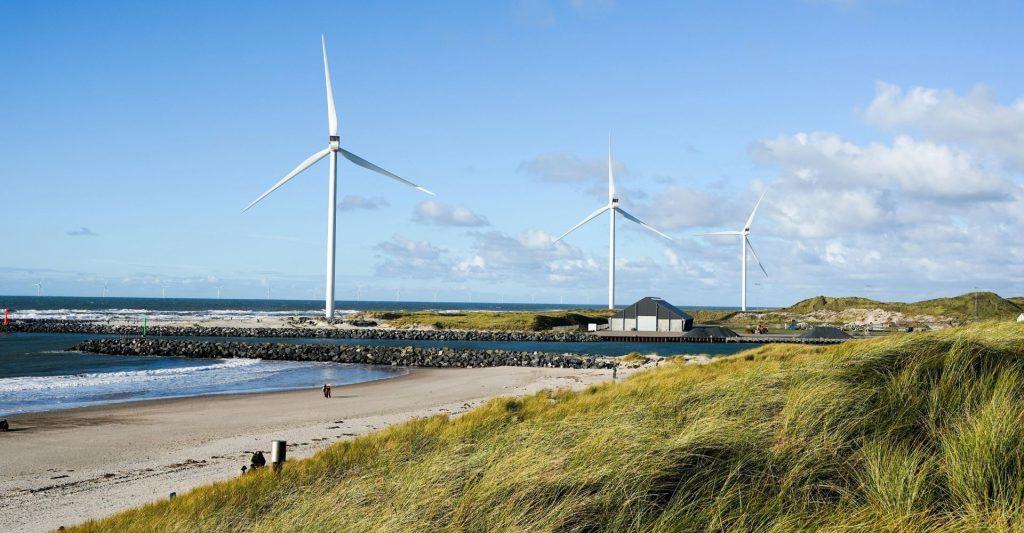
Denmark is a global leader in renewable energy and continues to invest heavily in offshore wind and energy infrastructure. These developments create strong demand for both skilled tradespeople and engineering professionals.
Opportunities for Trades and Skilled Labour:
- Offshore and marine construction crews
- Port and logistics workers for wind farm installation
- Electrical and mechanical technicians
- Crane operators and heavy equipment specialists
Opportunities for Professionals and Engineers:
- Civil, structural, and offshore engineers
- Project managers and site supervisors
- Renewable energy engineers for wind and grid infrastructure
- Health, safety, and environmental specialists
Major projects like the Thor Offshore Wind Farm will generate over 1,000 MW of renewable electricity, supplying power to more than one million Danish households. Large-scale developments like energy islands in the North Sea further expand opportunities for trades and professional teams, including offshore and marine work.
For construction workers and engineers, this means stable, high-quality work on projects that are shaping Denmark’s energy future—all while enjoying European working standards and a strong work–life balance.
Where in Denmark Should I Be Looking to Work and Move?
While Copenhagen is Denmark’s capital, Southern Denmark is emerging as a major hub for large-scale construction, energy, and infrastructure projects.
Cities like Odense, Esbjerg, and Kolding are at the heart of Denmark’s offshore wind industry and other major developments. Esbjerg, in particular, has become one of Europe’s most important ports for offshore wind construction and installation.
For those considering living and working in Denmark, Southern Denmark offers strong demand for construction workers and engineering professionals, lower living costs compared to the capital, and direct access to long-term infrastructure and energy projects.
The region is also attracting a growing international workforce, making it easier for newcomers to integrate while working on some of Europe’s most ambitious construction and engineering projects.
How AA Euro Group Can Help You Move and Work in Denmark
Our team assists European workers with every step of the relocation process, from finding the right job and employer to understanding Danish labour regulations, securing housing, and navigating work permits. Whether you are a construction worker, a marine civil engineer, or a renewable energy specialist, we can help you relocate smoothly and start working quickly.
With over 20 years of experience in international recruitment, AA Euro Group ensures that European professionals can find stable, well-paid roles on major infrastructure and energy projects while enjoying Denmark’s excellent work-life balance.
For anyone looking to return to Europe or move to Denmark for the first time, we provide personalised support to make your transition seamless.
Let’s start the conversation, keep your opportunities open and help find the most suited role for you.